Wednesday, 20 June 2018

PenCom lauds pensions reforms, N8 trillion record -Bankole Orimisa


Stakeholders raise alarm, warn non-remitting organisations
The National Pension Commission (PenCom) has commended the series of reforms in the sector, which has raised accumulations from contributors to N8trillion, as well as brighter hopes to retirees.
It also has attributed the huge accumulation and other successes achieved in the last 14 years of implementation of the Contributory Pension Scheme (CPS) to contributors.
Meanwhile, regulators and stakeholders in the pension industry have again, warned employers in the habit of not remitting pension deductions of the wrath of the law, as it plans raise its searchlight and asks workers to also speak up.
The Acting Director-General, Aisha Dahir-Umar, gave the indications at the pre-retirement workshop for prospective retirees in the contributory pension commission in Lagos.
The PenCom boss, who was represented by the Commission’s Head Benefits and Insurance, Ekanem Aikhomu, called on 
pension contributors across the country to contribute positively towards the growth of the pension reform programme.
In an interview with The Guardian, at the workshop, she noted that the workshop is tailored towards addressing the challenges that prospective retirees might face as they enter retirement life under the CPS.
However, she urged the would-be retirees to feel free to make suggestions during and after the workshops, about issues that may further help to make retirement life more comfortable to them and other future retirees.
“The achievements recorded by the commission since the implementation of the scheme would not have been possible without the support and understanding of all stakeholders, especially our contributors, who are about to retire.
“I therefore urged Nigerians to contribute positively towards the success of the Pension Reform Programme,” she said.
The President, Pension Fund Operators Association of Nigeria (PenOP) Aderonke Adedeji, told The Guardian that the issue of non-compliance to remittance of workers’ pension fund into (RSA) has become very challenging, even as there are provisions in the law on how to handle such.
Adedeji, who is also the Managing Director of Leadway Pensure PFA Limited, noted that “one of these is that when you have an employer who has not been remitting regularly, we are supposed to get the regulator informed about it.
“But before we do that, we try to find out what is responsible for such because the implication of making an official report is that it could lead to one or two things for your customers.
“The law says that seven days after salaries are paid, deduction from employees’ salaries and employers should be remitted. So, when you have a situation where an employer is not making such remittances for two, three, four months and above, we go there to ask why it is so.
“But when we find a situation where employers seem to be non-chalant, careless and things like that, we inform the regulator, and recovery agents to go to such employers to do all that are necessary to recover the debts,” she said.
Also, the Acting Director-General, PenCom, Aisha Dahir-Umar, said that the regulator is displeased with the series of reports of non-remittance of monthly pension, especially by media proprietors.
She promised that very soon, PenCom will begin to beam its searchlight on erring media firms to ensure that they invested in the future of their workers.
Dahir-Umar noted that the essence of the new pension scheme is to ensure that contributors can still enjoy a good life at retirement from their robust RSAs and that means that both the employers and the employees must, on a monthly basis, jointly contribute 18 per cent of their incomes into the RSA of journalists, which would accumulate with time to make them spend their retirement happier.
Aikhomu noted that as part of the commission’s yearly regulatory activities, it has concluded arrangements to commence the verification of prospective retirees, who would be retiring in 2019, from the public service.
The verification exercise, as she explained, is scheduled to be undertaken from June 25 to August 17, 2018, in 15 centers across the country.
Also, she stressed that the impending exercise necessitated the need to undertake adequate sensitisation and public enlightenment to prepare prospective retirees on the steps to take towards a hitch free retirement life.
The prospective retirees received lectures on: Enrolment exercise and documentation requirement from the paper presented by Deputy Zonal Head (South-West Zonal Office), PenCom, Sola Adeseun.

Culled from Guardian Business

Tuesday, 22 May 2018

These Are the Richest Drug Dealers of All Time

Things are changing in the United States when it comes to drugs. A handful of states with the loosest marijuana laws legalized the drug, and a few more states will have legal marijuana by 2020. Going to prison because of drugs is still a real danger, yet it’s a danger some drug kingpins avoid. Who says crime doesn’t pay? Definitely not these richest drug dealers who made millions and billions of dollars while breaking the law.
Two of the people on our list were the subjects of major Hollywood movies (pages 1 and 3). We think you know who No. 1 on the list is, but you might be shocked seeing the man tied for the top spot (page 19). And since drug kingpins keep their finances off the books, all dollar amounts are estimated.

20. Frank Lucas
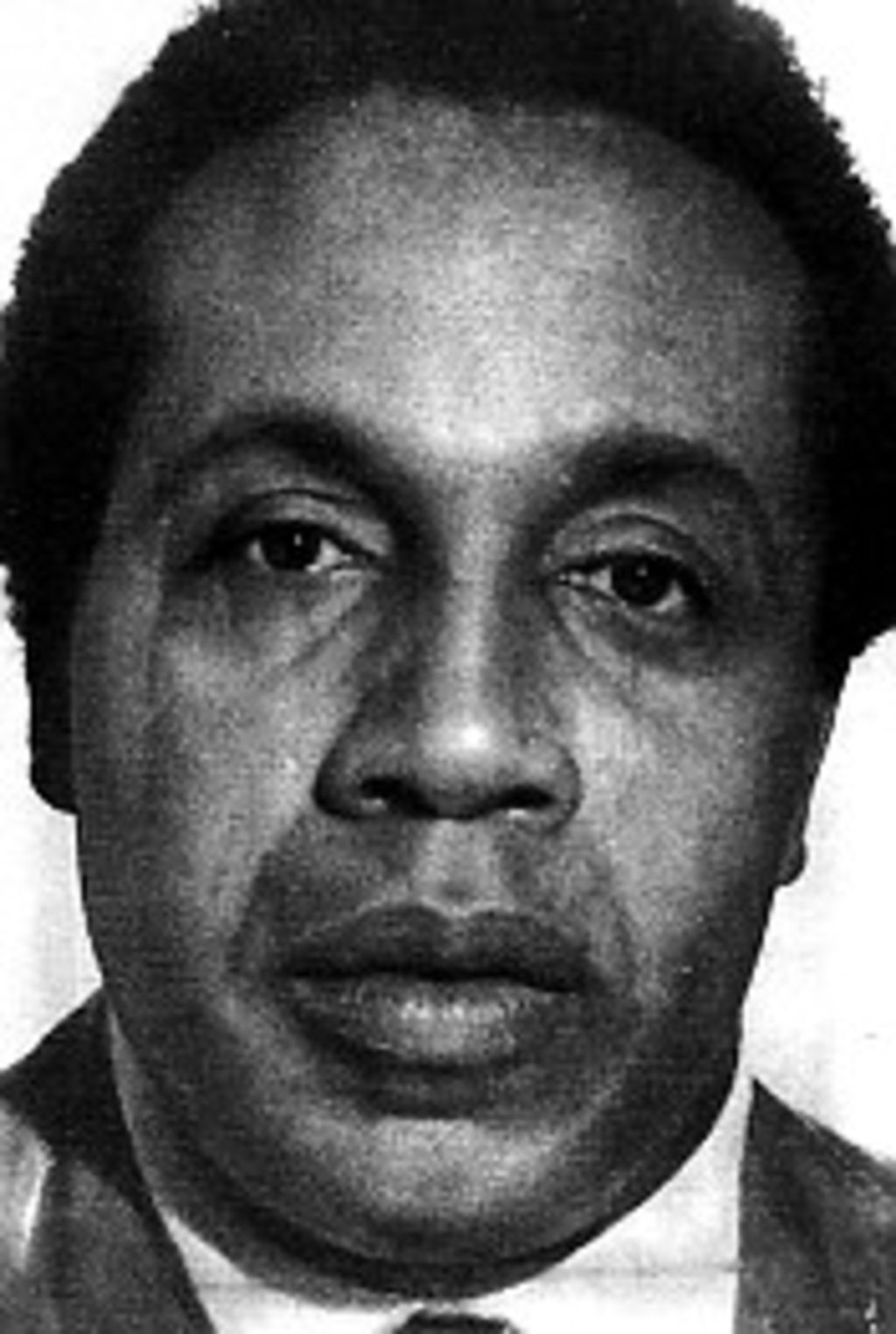
Mugshot of Frank Lucas
Denzel Washington portrayed Frank Lucas in the movie American Gangster. | United States Government/Wikimedia Commons
  • Estimated drug money earned: $52 million
It’s OK if you don’t know who Frank Lucas is since, as a drug dealer, he’s a bit off the radar. Do you know who Denzel Washington is? He starred as Lucas in the movie American Gangster, which dramatized his life as a New York City drug dealer in the 1960s and 70s.
Next: One of his nicknames indicates how successful this kingpin is.

18. Jose David Figueroa Agosto (TIE)
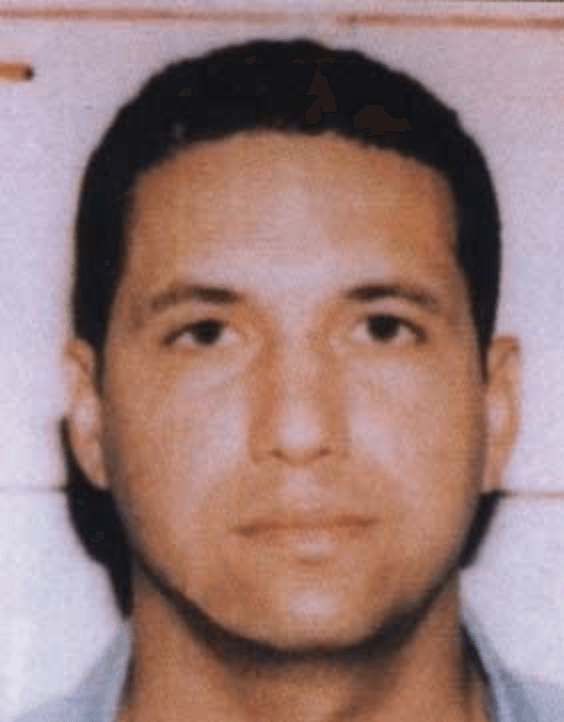
Jose Figueroa Agosto
Agosto made 90% of the cocaine in Puerto Rico. | U.S. Marshal’s Service
  • Estimated drug money earned: $100 million
At one time, Jose David Figueroa Agosto led a drug cartel making 90% of the cocaine in Puerto Rico. If you don’t know him by his proper name, then his nickname should tell you just how good he is at his job. Agosto is also known as the Pablo Escobar of the Caribbean.
Next: Hollywood turned his story into a blockbuster movie.

18. George Jung (TIE)
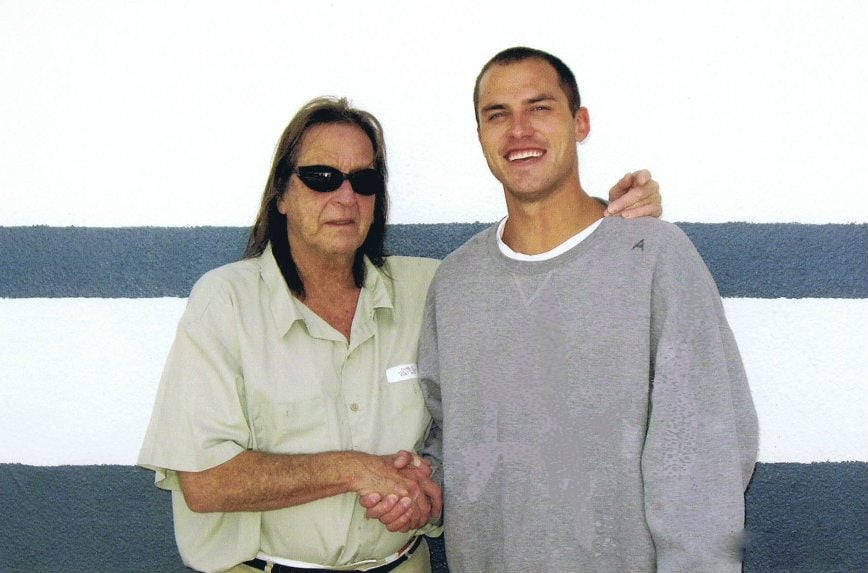
George Jung
The movie Blow was based on George Jung’s (L) life. | Nish242/Wikimedia Commons
  • Estimated drug money earned: $100 million
The Hollywood movie Blow about George Jung’s life starring Johnny Depp made $83 million around the world. It’s an impressive total, but it’s just a fraction of Jung’s estimated net worth of $100 million, which makes him one of the richest drug dealers of all time.
Next: A man with a very similar career arc to another person on our list.

17. Nicky Barnes
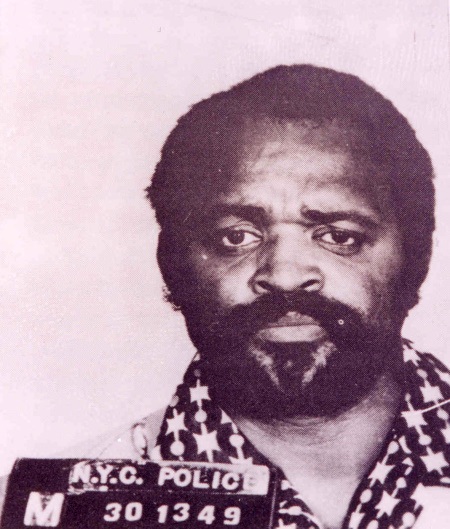
Nicky Barnes
Nicky Barnes made his millions selling heroin in the 1970s. | Blowback Productions
  • Estimated drug money earned: $105 million
We met Frank Lucas just a few minutes ago. Nicky Barnes is similar to Lucas in a few ways — a New York drug kingpin dealing heroin in the 1970s — but there are two major differences. Hollywood never made a big-budget about Barnes, and his net worth is about twice that of Lucas.
Next: Our first South American on the list.

16. Paul Lir Alexander
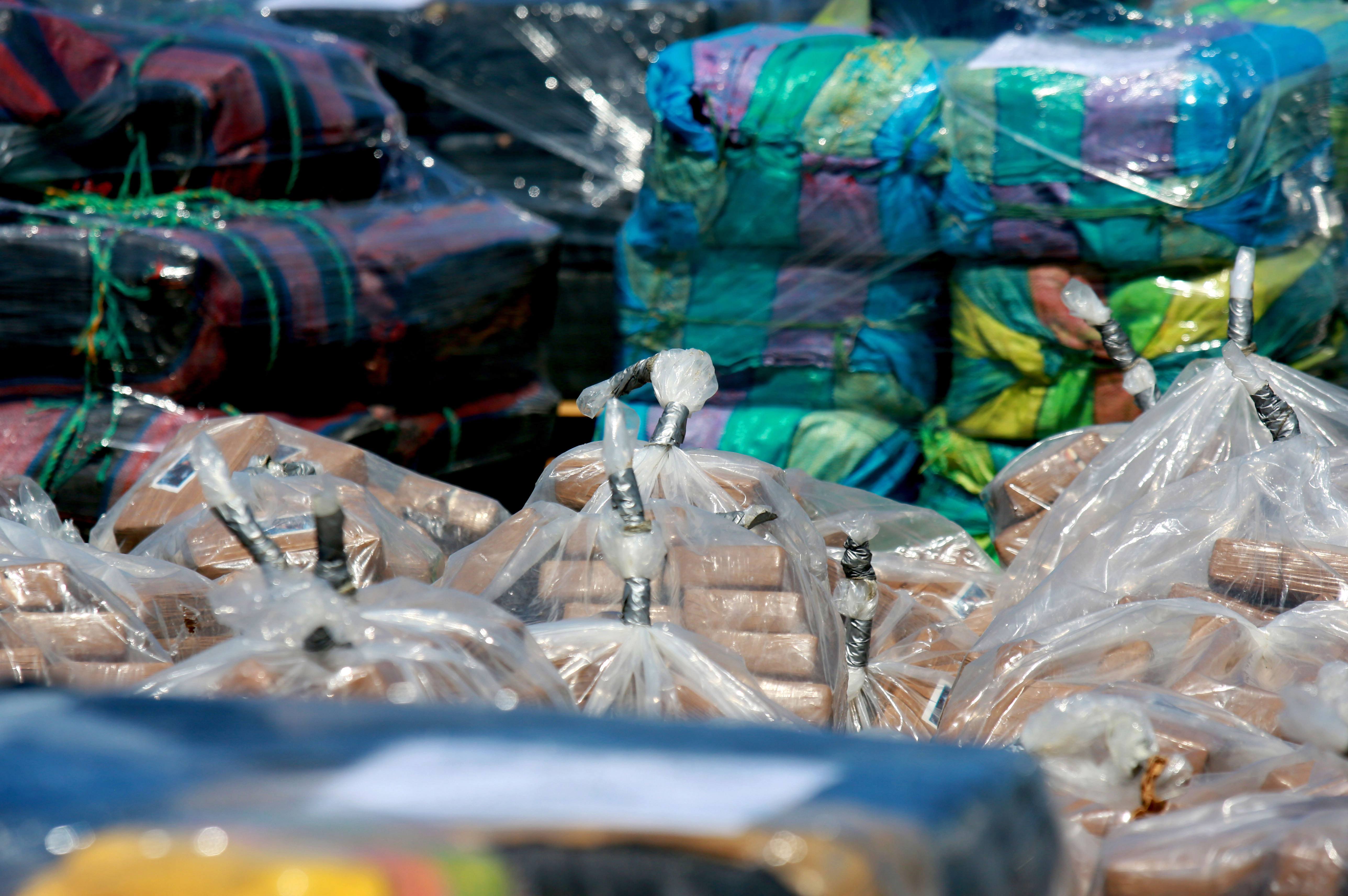
Cocaine
Paul Lir Alexander disappeared in 2010 and hasn’t been seen since. | Sandy Huffaker/Getty Images
  • Estimated drug money earned: $170 million
Brazilian Paul Lir Alexander reportedly served in Israel’s Mossad intelligence group and the United States’ Drug Enforcement Agency before a 1993 arrest and prison sentence. He disappeared in 2010 while on release from a Brazilian prison and no one knows where he is.
With a $25 million yacht reportedly part of his riches, he could be sailing around the world spending his $170 million fortune that makes him one of the richest drug dealers of all time.
Next: He started out legitimate…

15. Zhenli Ye Gon
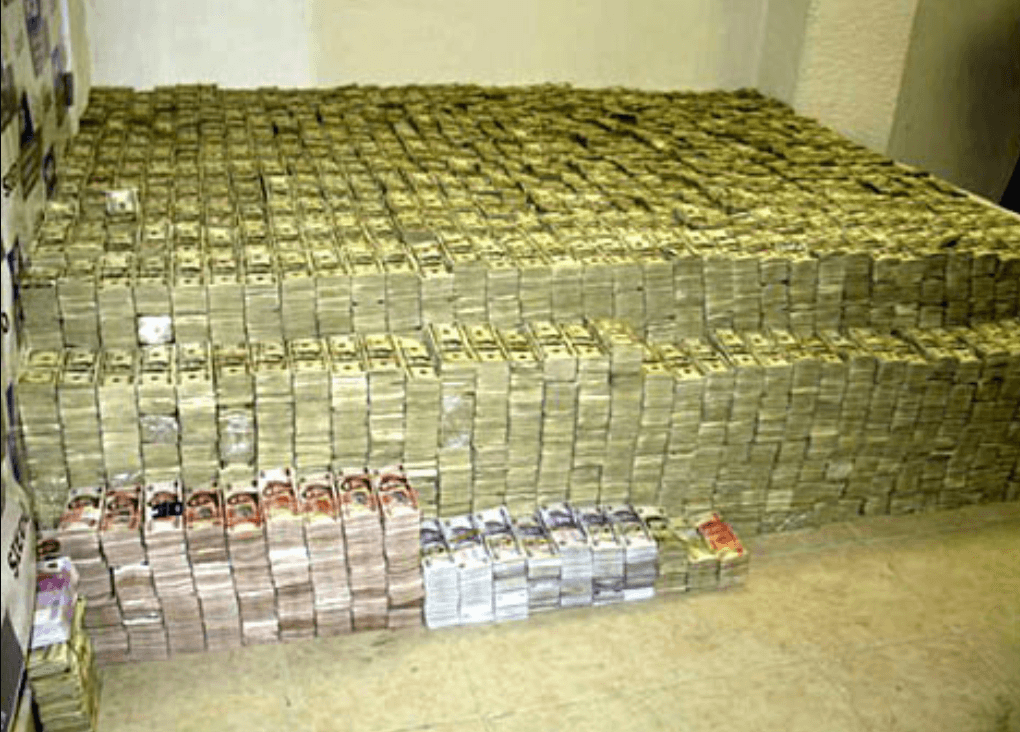
Zhenli Ye Gon money
When Zhenli Ye Gon was arrested, authorities found millions of dollars stashed in his home. | Drug Enforcement Administration/Wikimedia Commons
  • Estimated drug money earned: $300 million
Zhenli Ye Gon started out as a legitimate drug dealer. His company, Unimed Pharm Chem Mexico, imported ephedrine and pseudoephedrine to make cold medicine. However, those same chemicals also go into methamphetamines, and he was arrested in Maryland in 2007 on conspiracy charges.
At the time of his arrest, Zhenli reportedly had $205 million in cash, 18 million pesos, 200,000 Euros, 113,000 Hong Kong dollars, and 11 pure gold coins at his house. How many legitimate drug dealers have that kind of stash?
Next: Look for him online.

14. “Freeway” Rick Ross
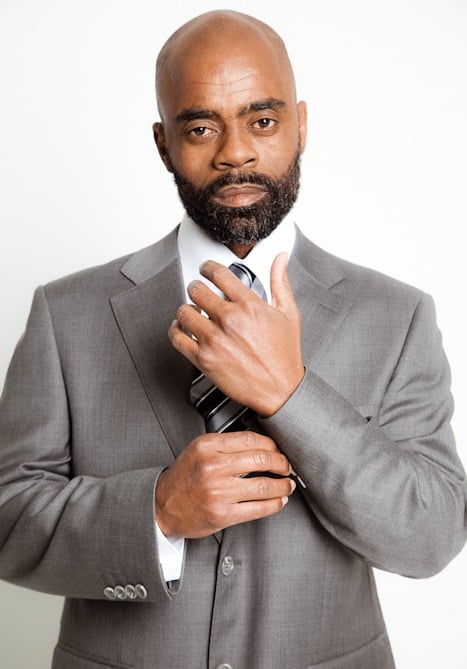
Rick Donnell Ross
At his peak, “Freeway” Rick Ross was making $1 to $2 milion a day. | Patrick Bastien Photography/Wikimedia Commons
  • Estimated drug money earned: $600 million
At the peak of his time as a drug kingpin, “Freeway” Rick Ross made $1 to $2 million per day and roughly $600 million total selling cocaine. He’s definitely one of the richest drug dealers ever, but these days he’s totally legit. He does speaking engagements and has his own website selling branded merchandise.
Next: He made his money before marijuana was mainstream.

13. Rafael Caro Quintero
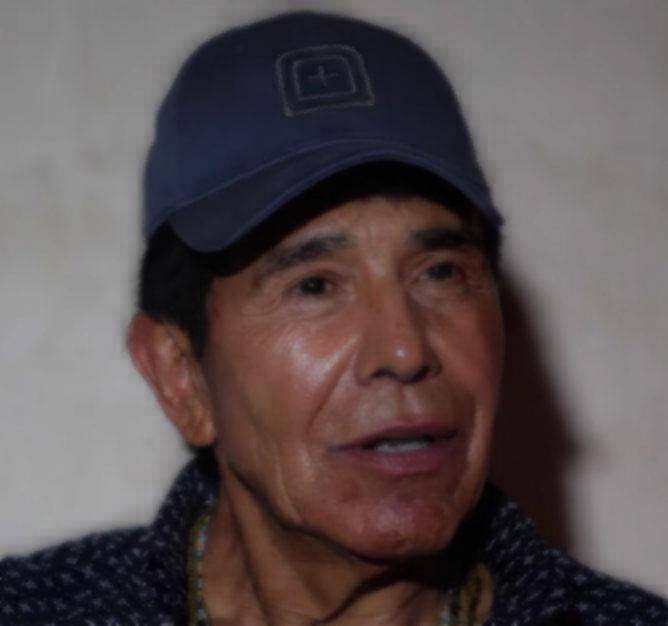
Rafael Caro Quintero
Quintero is still on the run. | FBI
  • Estimated drug money earned: $650 million
As we mentioned, marijuana is mainstream in the United States these days. Quintero made his money smuggling marijuana from Mexico to the U.S. before it was legal. That’s how he made $650 million dealing drugs.
Next: Probably the most famous drug dealer in the 21st century.

12. Joaquin “El Chapo” Guzman Leora

Mexican drug trafficker Joaquin Guzman Loera aka "el Chapo Guzman" is escorted by marines as he is presented to the press
El Chapo is one of the most notorious drug dealers of all time. | Alfredo Estrella/AFP/Getty Images
  • Estimated drug money earned: $1 billion
El Chapo is one of the richest criminals of all time, so you know he’s also one of the richest drug dealers we’ve ever seen. He’s also incredibly famous (for a drug dealer) and is something of a myth because of his arrest (2014), escape (2015), and recapture (2016).
Next: Three cities, two countries, and one big fortune.

11. Griselda Blanco
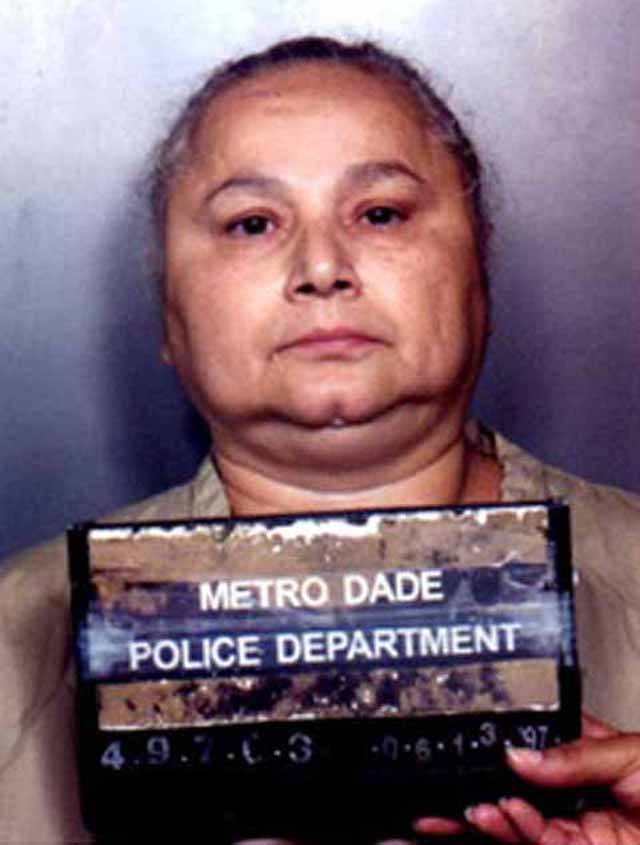
Griselda Blanco mugshot
Blanco was a major kingpin. | Metro Dade Police Department/Wikimedia Commons
  • Estimated drug money earned: $2 billion
Blanco started her life in Colombia, lived for a time in New York City, and later moved to Miami. No matter where she lived she was a major cocaine kingpin, and she earned roughly $2 billion to be one of the richest drug dealers ever before her 2012 death.
Next: A founding member of the drug cartel that changed the world.

10. Carlos Lehder
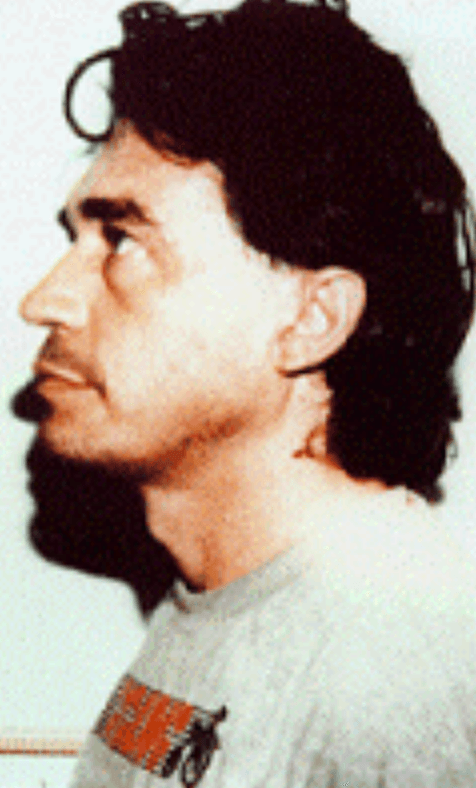
Carlos Lehder mugshot
Columbian drug kingpin Carlos Lehder got his start stealing cars. | Drug Enforcement Administration/Wikimedia Commons
  • Estimated drug money earned: $2.7 billion
Colombian kingpin Carlos Lehder started his life of crime stealing cars and giving them to his dad’s car dealership, but you probably know him better as one of the founders of the Medellin cartel. He came up with the idea of smuggling cocaine to the United States in small, low-flying aircraft, and his success doing it that way helped him build a $2.7 billion fortune.
Next: The man who started the other major Colombian cartel.

9. Gilberto Rodriguez Orejuela
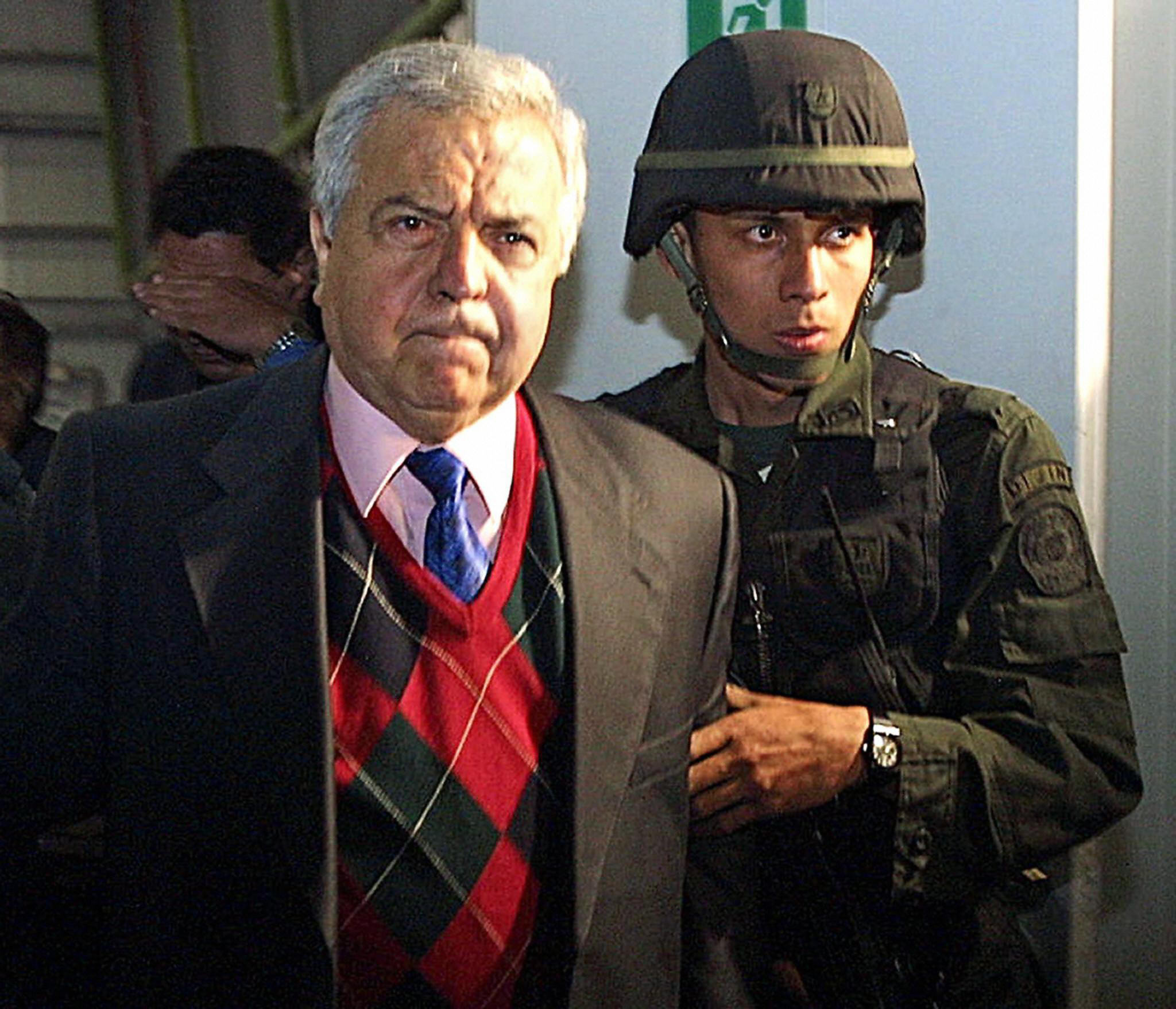
Gilberto Rodriguez Orejuela, 63, a leader of the Cali drug cartel
Orejuela founded the Cali cartel. | HO/AFP/Getty Images
  • Estimated drug money earned: $3 billion
With help from his brother, Miguel Rodriguez Orejuela, and a friend, Jose Santa Cruz Londono, Gilberto Rodriguez Orejuela founded the Cali cartel, the other major Colombian drug cartel along with the Medellin cartel.
The Cali cartel started trafficking marijuana before switching to cocaine. All three turned out to be some of the richest drug dealers of all time, but Gilberto leads the pack with an estimated $3 billion fortune.
Next: Expanding an empire helped this man make a ton of money.

7. Jose Gonzalo Rodriguez Gacha (TIE)
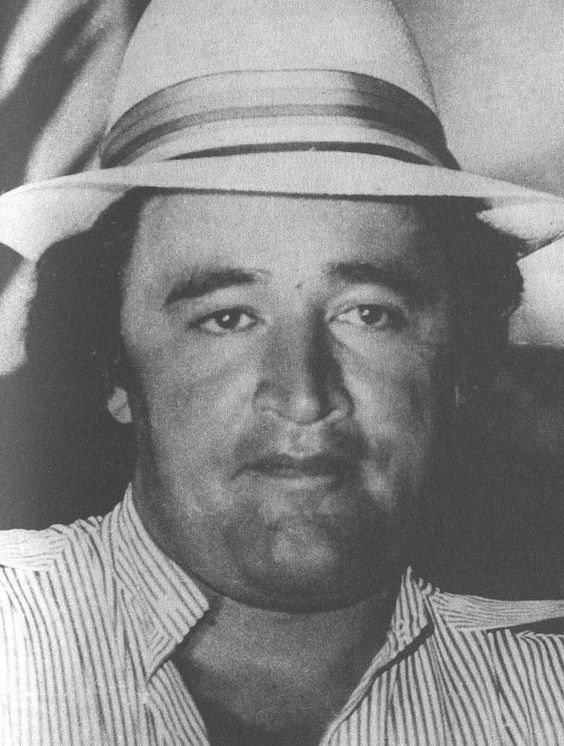
Jose Gonzalo Rodriguez Gacha
Gacha was a major player in the Medellin cartel. | U.S. Department of Justice/Wikimedia Commons
  • Estimated drug money earned: $5 billion
Up until his death in a police raid in 1989, Jose Gonzalo Rodriguez Gacha was a main player in the Medellin cartel. He reportedly helped extend the cartel’s reach from Colombia to Mexico, Houston, and Los Angeles. His efforts apparently made him a rich man as he died with an estimated $5 billion fortune.
Next: Let’s head to the far east for a minute

7. Khun Sa (TIE)
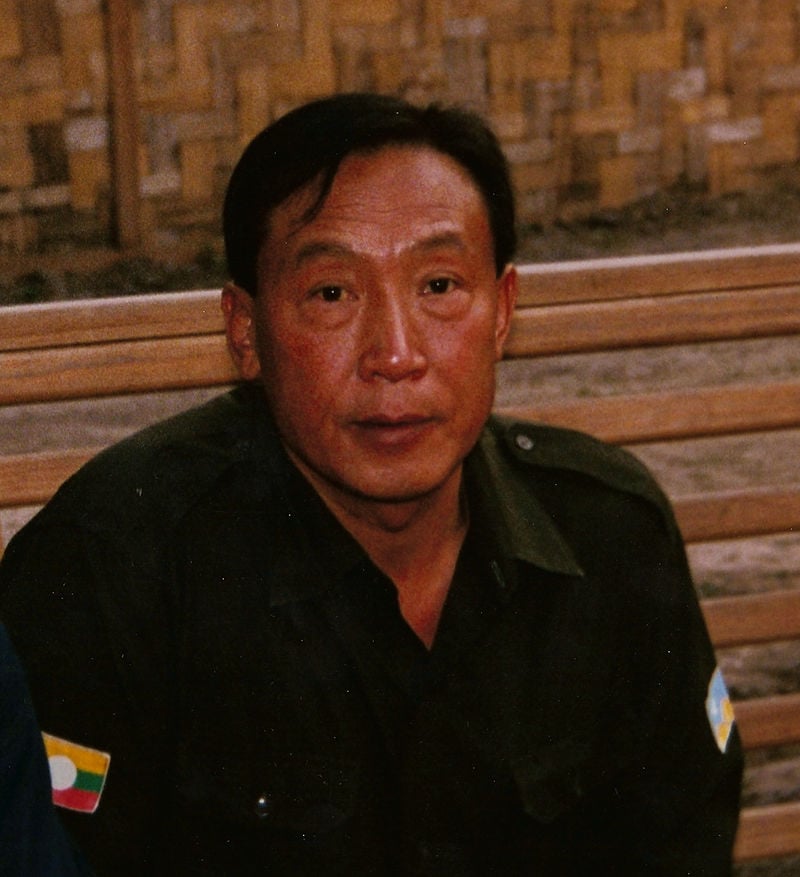
Khun Sa meeting with a journalist
Khun Sa dominated the opium and heroin trade. | Stephen Rice/Wikimedia Commons
  • Estimated drug money earned: $5 billion
With nicknames like “Opium King” and “King of the Golden Triangle,” it almost goes without saying Khun Sa is one of the richest drug dealers of all time. From 1974 to 1994 he dominated the opium and heroin trade in southeast Asia, which helped him build a $5 billion empire before his 1996 capture and 2007 death.
Next: It’s all in the family.

6. Ochoa Vasquez brothers
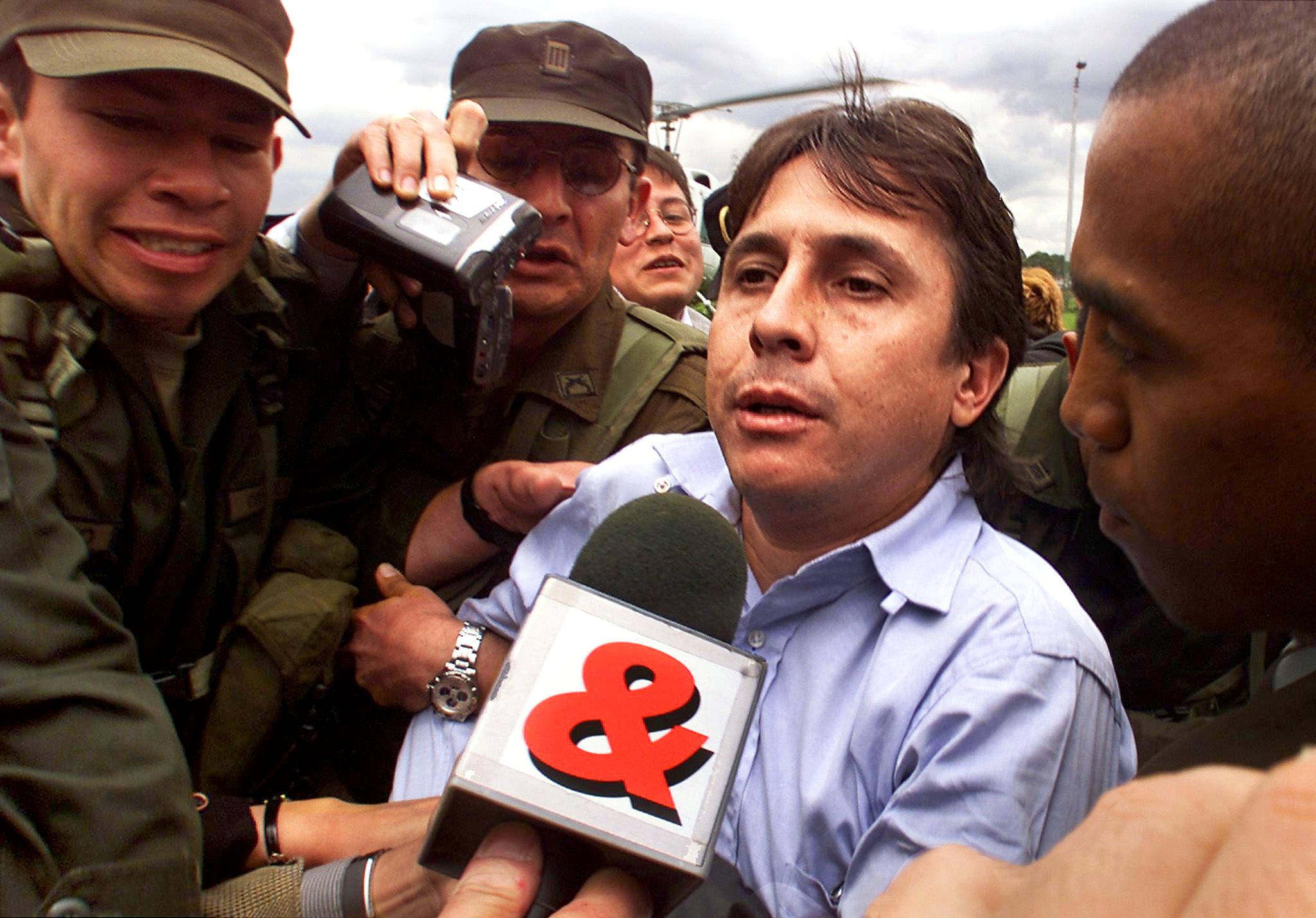
Prominent Colombian drug trafficker Fabio Ochoa Vasquez
Jorge Luis Ochoa Vasquez, along with his brothers Fabio (pictured above) and Juan David, was a key fiure in the Medellin cartel. | Pedro Ugarte/AFP/Getty Images
  • Estimated drug money earned: $6 billion
Drug trafficking was a family affair for Jorge Luis Ochoa Vasquez, who, along with his brothers Juan David Ochoa Vasquez and Fabio Ochoa Vasquez, was a key figure in the Medellin cartel. Jorge earned an estimated $3 billion fortune, and the three brothers combined for about $6 billion.
Next: A cop’s son is one of the richest drug dealers we’ve ever seen.

5. Dawood Ibrahim Kaskar
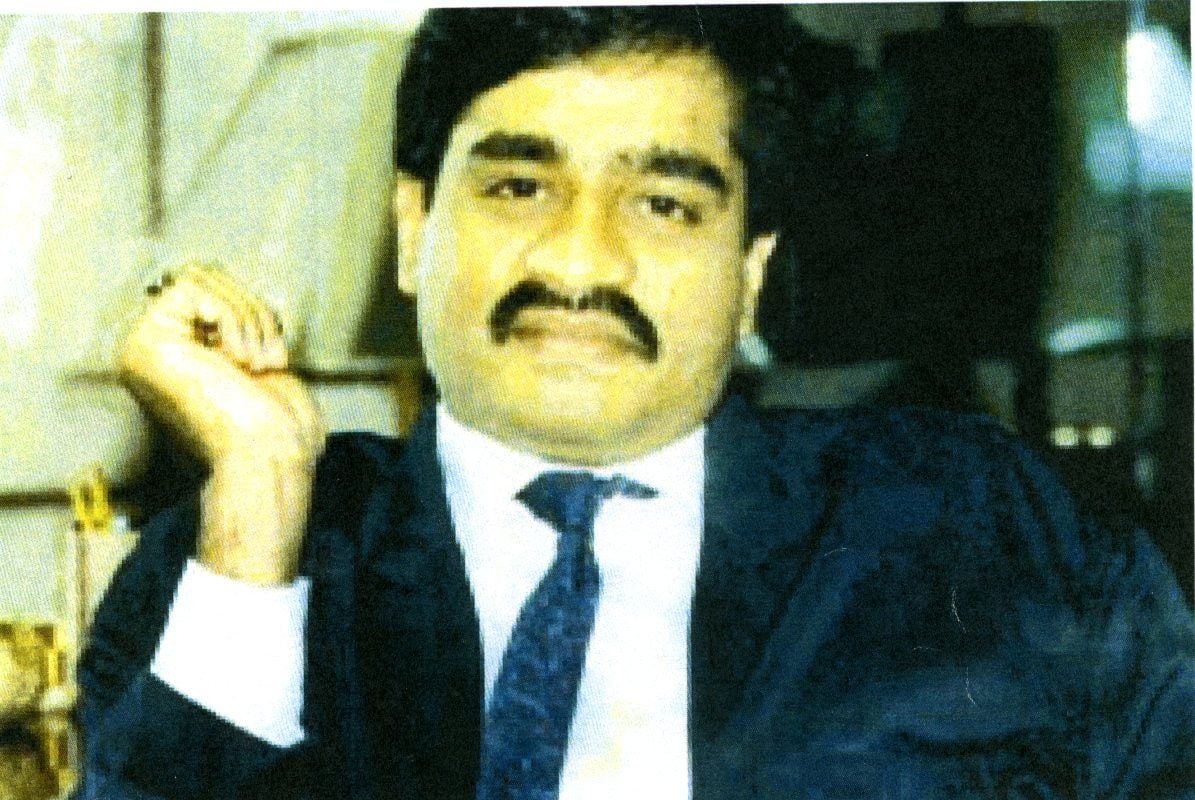
Dawood Ibrahim
Kaskar is a known terrorist and is currently in hiding. | Interpol
  • Estimated drug money earned: $6.7 billion
Calling Dawood Ibrahim Kaskar just a drug dealer is like saying Jay Leno’s car collection has a couple nice cars. The son of an Indian police officer, Kaskar has his hand in all kinds of illegal activities including extortion, murder, terrorism, and drug trafficking as the leader of the D-Company crime syndicate.
Next: Four siblings worked together smuggling drugs, and one of them got really rich.

4. Alfredo Beltran Leyva
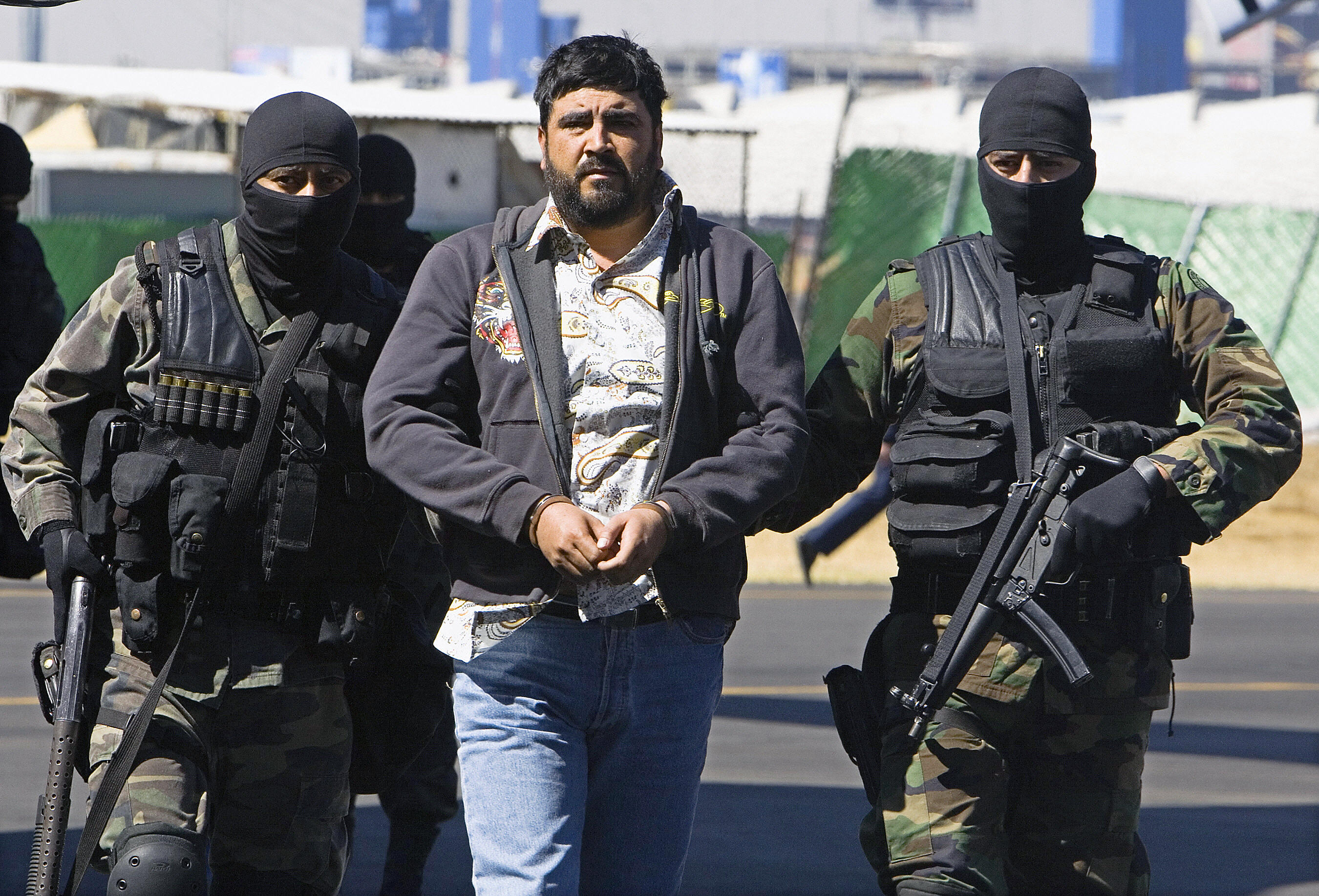
drugdealer Alfredo Beltran Leyva
Leyva founded a Mexican cartel. | Omar Torres/AFP/Getty Images
  • Estimated drug money earned: $10 billion
Alfredo Beltran Leyva is the youngest of four brothers who founded the Mexican Beltran Leyva drug cartel. He is also the richest of his siblings. Smuggling multi-ton cocaine shipments helped Alfredo Beltran Leyva amass a $10 billion fortune before his 2008 arrest.
Next: A cut-throat, jet-setting drug dealer.

3. Amado Carrillo Fuentes
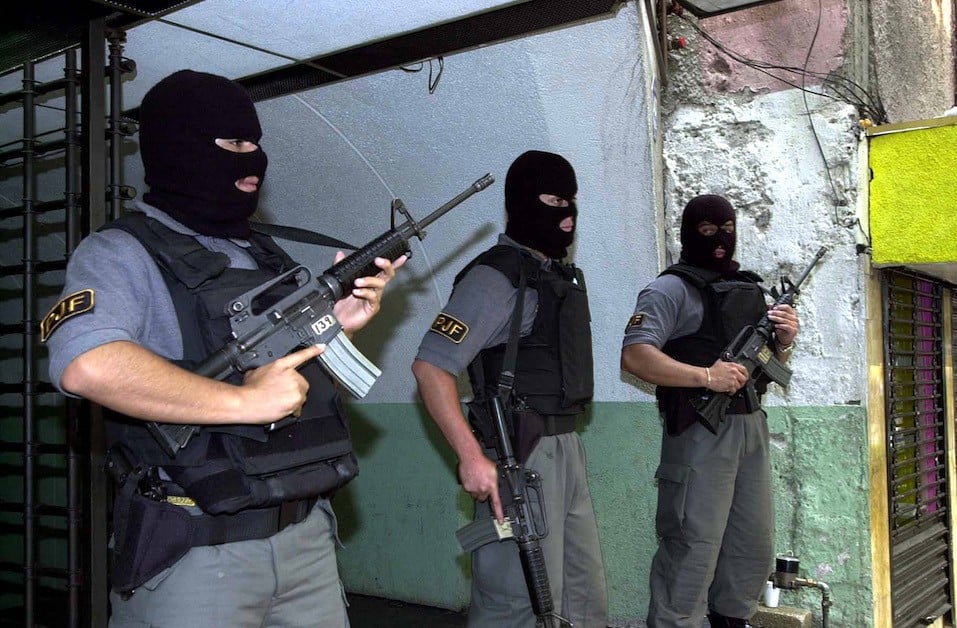
Masked Mexican police stand guard during a raid of a currency exchange store
Fuentes murdered his own boss. | Susana Gonzalez/Getty Images
  • Estimated drug money earned: $25 billion
Amado Carillo Fuentes isn’t a household name, but he was a cut-throat, jet-setting, and very rich drug dealer. He murdered his boss to assume leadership of Mexico’s Juarez Cartel, and he made a fortune by working closely with a man we’ll meet in a minute to fly cocaine into the U.S. using a fleet of jets. You might not know the name, but you should know Fuentes is one of the richest drug dealers who ever lived.
Next: Taking over the family business.

1. Christopher Coke (TIE)
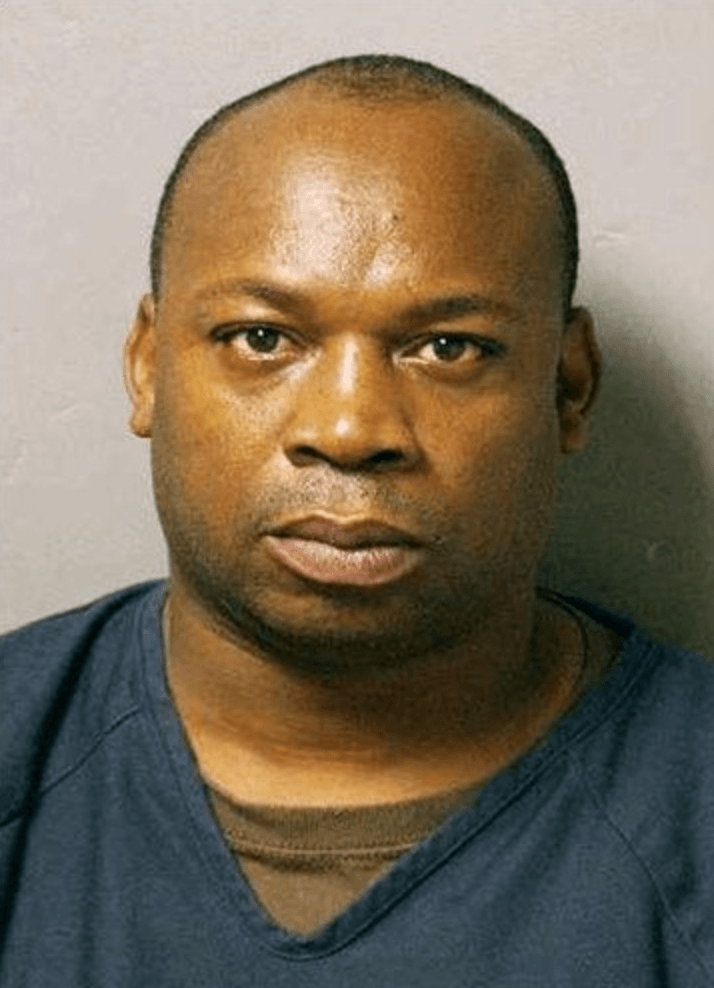
Christopher Coke
Coke took over his father’s drug business. | U.S. Marshal’s Service/Wikimedia Commons
  • Estimated drug money earned: $30 billion
After his father died, Coke took over the family drug business and built it into an empire. From his Jamaican base, he made an estimated $30 billion shipping marijuana and cocaine to the United States, according to The Telegraph.
Next: The man you expected to see all along.

1. Pablo Escobar (TIE)
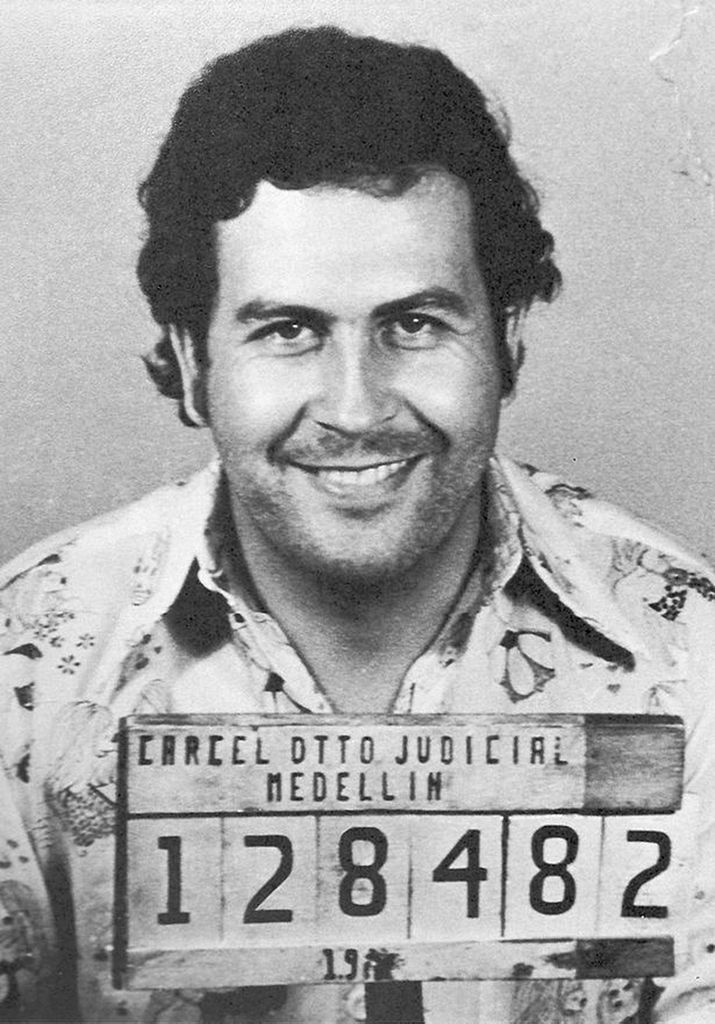
Pablo Emilio Escobar mugshot
Escobar may be the most infamous of the bunch. | Colombian National Police/Wikimedia Commons
  • Estimated drug money earned: $30 billion
This is the man you expected to see all along, right? No matter how you look at it, Pablo Escobar is one of the richest drug dealers of all time. He made anywhere between $9 and $30 billion as the head of the Medellin Cartel, but we’re going with the bigger number and we feel safe doing so. After all, he was making $420 million each week at his peak before he died, thanks in part to using Amado Carillo Fuentes’ fleet of jets to smuggle drugs.

Culled from wallstreetcheatsheet

Thursday, 29 March 2018

Politics of 2019 Heats up Battle for APC Chair

Buhari in a handshake with the National Chairman of his party, Chief John Odigie-Oyegun.
  • Party’s NWC meets to empanel c’ttee on tenure elongation
  • How Banire, Akeredolu faulted objection raised by Buhari
Onyebuchi Ezigbo in Abuja
With the 2019 elections barely a year away, high stakes politicking have taken centre stage at the ruling All Progressives Congress (APC), where President Muhammadu Buhari has aligned with the National Leader of the party, Chief Bola Tinubu, against most of the governors and other critical stakeholders of the party who are in support of the tenure extension granted to the elected and appointed executives of the APC at all levels at its February National Executive Committee (NEC) meeting.
At stake is the national chairmanship post of the APC currently occupied by Chief John APC Chair. But with Buhari’s sudden rejection of the tenure elongation for Oyegun and other executives, the jostling over who emerges as the next chairman of the party will be critical to the governors, especially those seeking a second term in office.
Buhari had at the NEC meeting of the party on Tuesday raised objections to the one-year tenure extension approved for the executives at the February NEC meeting.
He counselled that doing so would be in breach of the Nigerian Constitution and that of the APC, which could lead to endless litigations in the run up to the 2019 elections.
His stance on the issue, however, did not go down well with many members of the NWC and most governors of the party.
The party, nonetheless, said on Tuesday that it would set up a committee to review the position of the party on the tenure extension, adding that until the committee concludes its work, the party would maintain status quo.
A source, who shed light on the stakes at play, informed THISDAY that whilst there is a consensus on Buhari’s bid and his emergence as the party’s presidential candidate for the 2019 elections, the governors, especially, would have preferred for the status quo to remain with Oyegun steering the affairs of the APC for one extra year.
According to a source, “We had a reason for our decision at our February NEC meeting, the main one being that holding congresses and a convention at the state and national levels could lead to crises and divisions that we can ill-afford with the elections round the corner.
“Besides, the governors, particularly those seeking second terms, were already comfortable with the leadership of the party headed by Oyegun and were more confident of winning their primaries with him in control.
“But with Buhari’s sudden change of heart, everything has been thrown up in the air and that it is why the Tuesday NEC meeting was stormy after he raised his objection to the tenure elongation for Oyegun and others.”
The source also pointed out that Buhari’s insistence on the conduct of congresses and the convention stemmed from his desire to ensure that Tinubu is on his side in 2019 because of the latter’s control over Lagos.
He also pointed to the president’s acceptance to chair the 10th Bola Tinubu Colloquium slated to hold in Lagos Thursday and the two-day visit to the state as pointers on how keen Buhari is at ensuring that Tinubu delivers Nigeria’s commercial nerve centre in 2019.
“The president wants to ensure that the 2015 electoral map does not change in 2019. He is probably sure of winning most of the states in the South-west, but Lagos is the icing on the cake in terms of electoral value because of its population size.
“So, if the president can hold on to Lagos and Kano in 2019, he would be more certain of victory. Whereas he is certain of Abdullahi Ganduje’s loyalty and in delivering Kano, he can only get Lagos in his pocket if he meets Tinubu’s demands,” he said.
The source, however, expressed concern that by kowtowing to Tinubu’s demands, Buhari will be literally handing over the party’s structures to the former Lagos State governor who in turn may influence the person who emerges as the chairman of the APC at the convention.
“It is this uncertainty that the governors do not want because should we backtrack on the tenure elongation for Oyegun and others, Tinubu will be very influential at the convention and may become the deciding factor on who will lead the party.
“Effectively, this will mean that Tinubu may indirectly decide the fate of those who should get a second term ticket and those who should not,” he said.
But even as the party’s stakeholders weighed the options before them, the national leadership of the APC moved Wednesday to douse the tension created by Buhari’s rejection of the tenure extension for its executives.
In this regard, the National Working Committee (NWC) of the party together with some party leaders met Wednesday night to empanel the committee that will consider the pros and cons of the issues in contention and advise the party accordingly.
According to party sources, the meeting was convened to decide on the membership of the committee and the mandate for its members.
THISDAY gathered from a reliable source that the meeting, which took place at an undisclosed location in Abuja, was meant to nominate members for the committee as well as set out its terms of reference.
The source said that the party’s National Legal Adviser, Mr. Muiz Banire, would most likely be on the committee that will consider the pros and cons of the issues in contention and advise the NEC accordingly.
He said other members of the committee would be drawn from outside the NWC to ensure their neutrality.
“We are still consulting, a lot of consultations are still going on, so hopefully we will be able to get it right,” he said.
Another member of the party, who was at the Tuesday NEC meeting, also provided insight into the hot exchanges that took place between those who were in support of and against the tenure extension after Buhari had spoken.
He revealed that Buhari’s move to upturn the tenure extension was met with a mass and open protest.
The source said that it took the intervention of Oyegun who hurriedly ended the heated exchange, and went ahead to adjourn the meeting indefinitely when it became clear that those present were going to overrule the president’s stance on the tenure quagmire.
The source further disclosed that Banire had faulted and tactfully dismissed the constitutional issues raised by the president on the tenure extension approved by NEC on the grounds that the extension did not confer substantive status on the executives, as they will be serving in acting capacities for 12 months.
Banire was said to have argued that NEC derived the power to make the decision from Section 13.3 of the party’s constitution.
The source also quoted Banire as having said that the president’s decision on the tenure extension was sub judice, as the matter was already before the courts.
In the same vein, the source explained that the Ondo State Governor, Rotimi Akeredolu (SAN), who adopted Banire’s legal position, went ahead to remind the meeting of the logistical and political exigencies that informed NEC’s decision to extend the tenure of the party’s executives by 12 months, by a vote of 104 in support and four against.
The source further said that the Chief Whip of the House of Representatives, Alhassan Doguwa, called on the NEC members to stop the debate and adopt the president’s decision in deference to the president but was shouted down.
However, before the hurried adjournment, Oyegun was said to have informed the NEC meeting that a “compact and small committee” will be urgently set up to advise the party on the objection raised by the president.
The source said Oyegun suggested that the committee would meet at an undisclosed venue outside the party’s national secretariat, a decision that was approved by NEC.

Culled from Thisday